For over long years, we have diligently conducted independent research and product testing. When you make a purchase through our links, we may earn a commission.
Discover the Real Difference Between Trekking and Hiking

Created: 1 month ago
15 min Read
Discover the Real Difference Between Trekking and Hiking
Find out the true contrast between trekking and hiking - a must-read for outdoor enthusiasts! Uncover the unique thrills and challenges of each activity, and choose your next adventure wisely. Dive into this insightful article now!
Will Hiking Burn Belly Fat?
If you're looking to shed some excess belly fat, hiking can be a fantastic way to achieve your goals. Hiking is a cardiovascular exercise that can help you burn calories and improve your overall fitness levels. By engaging in sustained physical activity, such as hiking, you create a calorie deficit in your body, which ultimately leads to fat loss. However, it's important to note that spot reduction is not possible. This means that while hiking can help you burn overall body fat, it's not a guarantee that it will specifically target belly fat. To effectively burn belly fat, it's essential to combine regular exercise, like hiking, with a healthy and balanced diet. So if you're looking to burn belly fat, lace up your hiking boots and hit the trails, but remember to also maintain a nutritious eating plan.
Introduction
Are you a passionate hiker or trekker wondering if using trekking poles is necessary for your outdoor adventures? In this article, we will explore the benefits and considerations of trekking poles, helping you make an informed decision on whether or not to invest in this essential hiking gear. Whether you are an experienced outdoor enthusiast or a beginner looking to take your hiking to the next level, keep reading to discover the true value of trekking poles. Let's dive in!
Defining Trekking and Hiking
Have you ever wondered what sets trekking apart from hiking? While both activities involve walking in nature, there are significant differences that make each experience unique. Let's dive deeper into the definitions of trekking and hiking to understand their contrasting characteristics and choose the adventure that suits you best.
Trekking
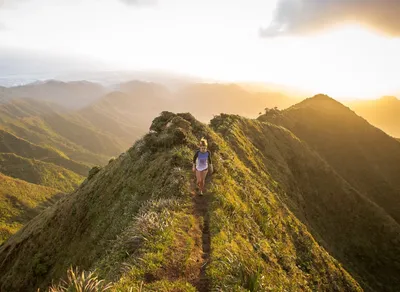
Trekking is a more challenging and rigorous activity than hiking. It typically involves long-distance journeys, often lasting several days or even weeks, through remote and rugged terrains. Trekking often requires navigating across diverse landscapes, such as mountains, forests, and deserts, presenting adventurers with a range of physical and mental challenges. Trekkers carry heavier backpacks, containing camping gear, food supplies, and other essentials, to sustain them during their extended journeys.
One of the main benefits of trekking is the opportunity to explore untouched, natural landscapes far from civilization. Trekking trails can take you through pristine forests, awe-inspiring mountains, and breathtaking vistas that are inaccessible by other means. It offers a unique sense of adventure and a deeper connection with nature, as you immerse yourself in the wild and untamed wilderness.
Trekking also provides a greater sense of accomplishment and self-discovery. Conquering challenging terrains and overcoming obstacles along the way instills a sense of resilience and builds character. It pushes trekkers beyond their comfort zones and encourages personal growth and mental fortitude. The physical demands of trekking also offer an excellent workout, boosting cardiovascular endurance, strength, and stamina.
Hiking
Hiking, on the other hand, is a more casual and accessible form of outdoor activity. It involves shorter walks along established trails or paths, typically completed within a day. Hiking can be done in local parks, nature reserves, or even urban areas, making it a popular choice for individuals looking to reconnect with nature without extensive planning or preparation.
The benefits of hiking are numerous. It provides a great opportunity to enjoy fresh air, soak in beautiful scenery, and escape the hustle and bustle of city life. Hiking can be a gateway to explore nearby natural wonders, offering a mix of relaxation and gentle physical activity. It can be enjoyed by people of varying fitness levels and ages, making it an inclusive outdoor activity for families, friends, and solo adventurers.
One of the significant advantages of hiking is its versatility. With countless trails worldwide, hikers can choose routes based on their fitness levels, preferences, and the time they have available. From leisurely strolls to challenging uphill climbs, there's a hiking trail for everyone. Hiking also allows for greater spontaneity, as you can plan shorter trips or adjust your hiking route based on weather conditions or time constraints.
Comparing Trekking and Hiking
Now that we've defined trekking and hiking, let's compare them side by side:
| Trekking | Hiking | |
|---|---|---|
| Duration | Longer, multi-day or multi-week journeys | Shorter, typically completed within a day |
| Terrain | Rugged, challenging landscapes | Established trails and paths |
| Gear | Heavier backpacks with camping gear, food supplies, and essentials | Lighter gear, often only basic supplies and daypack |
| Fitness Level | Higher level of fitness required due to the strenuous nature | Suitable for individuals of varying fitness levels |
Equipment and Gear for Trekking
When it comes to trekking, having the right equipment and gear can make a significant difference in your experience. One essential item that can enhance your trekking adventures is trekking sticks. These sticks, also known as trekking poles or hiking poles, provide numerous benefits that can improve your stability, endurance, and overall enjoyment of the journey. Let's explore the benefits of using trekking sticks and why they are considered a valuable asset for trekkers.
1. Enhanced Stability and Balance
One of the primary advantages of using trekking sticks is the enhanced stability and balance they provide. Trekking involves traversing diverse terrains, including steep inclines, rocky paths, and slippery surfaces. Trekking poles act as additional points of contact with the ground, offering increased stability and reducing the risk of slips and falls. They provide a wider base of support, especially when crossing unstable or uneven terrain, giving you confidence and reducing the strain on your joints.
2. Reduced Strain on Joints
Trekking can put significant strain on your joints, especially your knees, ankles, and hips. The use of trekking sticks helps to distribute the weight and impact of each step more evenly across your body, reducing the strain on your lower body joints. With the support of trekking poles, the muscles in your legs and core can take some of the load, alleviating pressure and minimizing the risk of injuries and discomfort. This is especially beneficial during long and arduous treks when your body may experience fatigue.
3. Increased Endurance
Trekking sticks can also help increase your endurance during long-distance treks. By using your arms to propel yourself forward along with your legs, you engage more muscle groups and expend less energy per step. This efficient use of energy can help conserve your stamina, allowing you to trek for longer periods without feeling as fatigued. Your upper body muscles, including the shoulders, arms, and upper back, also benefit from the exercise, resulting in a more well-rounded workout.
4. Joint Protection on Descents
Descending steep slopes can be challenging and put a significant amount of pressure on your knees. Trekking poles provide added support and stability when navigating downhill sections. By planting the poles in front of you as you descend, you can transfer some of the weight off your knees and onto your arms, reducing the strain and impact on your joints. This can help prevent knee pain and discomfort, allowing you to tackle descents with greater ease and confidence.
5. Balance in Stream Crossings
When crossing streams or rivers during your trek, maintaining balance can be crucial to prevent slips and accidents. Trekking sticks can be invaluable in these situations, as they provide additional stability and support while traversing slippery rocks or uneven riverbanks. By using the poles to test the depth and stability of the water and maintain your balance, you can confidently navigate stream crossings and ensure a safe passage.
Conclusion
Trekking sticks, with their numerous benefits, are a valuable companion for trekkers looking to enhance their outdoor adventures. From stability and balance to reducing strain on joints, these versatile tools offer support and assistance in various trekking scenarios. Whether you're embarking on a challenging multi-day trek or exploring local trails, consider adding trekking sticks to your gear list. Embrace the benefits they bring and make your trekking journey even more enjoyable and rewarding.
Introduction
Are you ready to hit the trails and burn some belly fat? In this section, we'll explore the equipment and gear you'll need for hiking to help you achieve your fitness goals. From comfortable footwear to essential accessories, we'll cover everything you need to make the most of your hiking experience. So grab your hiking gear and let's get started!
Comfortable and Supportive Footwear for Hiking
When it comes to hiking, the right footwear is essential for both comfort and safety. Invest in a pair of sturdy hiking boots or shoes that provide ankle support, cushioning, and traction. The boots should fit well and have a roomy toe box to prevent blisters and provide ample space for your feet to move.
Pro tip: Look for hiking boots with waterproof or water-resistant features to keep your feet dry and protected in wet conditions.
Moisture-Wicking Clothing for Hiking
Hiking can be a sweaty affair, so it's important to wear moisture-wicking clothing that keeps you cool and dry. Opt for synthetic or merino wool materials that wick away sweat and allow for breathability. Avoid cotton clothing, as it tends to retain moisture and can lead to discomfort and chafing.
Pro tip: Layer your clothing to adjust to changing weather conditions. Start with a moisture-wicking base layer, add a mid-layer for insulation, and top it off with a waterproof outer layer.
Appropriate Hiking Accessories
In addition to footwear and clothing, there are a few hiking accessories that are worth considering to enhance your hiking experience:
-
Hiking backpack: Choose a backpack that is lightweight, durable, and has enough capacity to carry essentials like water, snacks, a first aid kit, and extra clothing layers. Look for backpacks with adjustable straps and back support for added comfort on longer hikes.
-
Hydration system: Staying hydrated on the trail is crucial, especially if you're looking to burn belly fat. Invest in a hydration system such as a hydration bladder or water bottles. Make sure to drink plenty of water before, during, and after your hike.
-
Sun protection: Protect yourself from the sun's harmful rays by wearing a wide-brimmed hat, sunglasses, and sunscreen. Don't forget to reapply sunscreen regularly, especially if you're hiking in higher elevations or exposed areas.
-
Navigation tools: Carry a map, compass, or GPS device to ensure you stay on the right trail and avoid getting lost. Familiarize yourself with the trail beforehand and know how to use your navigation tools effectively.
-
Trekking poles: While not essential for every hike, trekking poles can provide stability and reduce strain on your joints, especially during steep ascents or descents. Consider using trekking poles if you have knee or ankle issues or if you're tackling more challenging terrain.
Safety Considerations for Hiking
Remember that safety should always be a top priority when hiking. Here are some key safety considerations to keep in mind:
-
Trail conditions: Before embarking on a hike, check the weather and trail conditions. Avoid hiking in severe weather or on trails that are beyond your skill level.
-
Proper planning: Plan your hike in advance and inform someone about your intended route and estimated return time. This ensures that someone knows where you are in case of an emergency.
-
Emergency supplies: Carry essential emergency supplies, such as
Physical Demands of Trekking
Trekking is an activity that requires physical endurance and strength. As trekkers venture through rugged terrains and cover long distances, they face various challenges that put their bodies to the test. Let's explore the physical demands of trekking and how it contributes to an overall workout.
Cardiovascular Endurance
Trekking involves continuous movement for extended periods, which helps improve cardiovascular endurance. The heart and lungs work harder to supply oxygen-rich blood to the muscles, enhancing overall cardiovascular fitness. As trekkers tackle uphill climbs and navigate challenging terrains, their cardiovascular system adapts and becomes more efficient in delivering oxygen to the working muscles.
Muscular Strength and Endurance
The physical demands of trekking require muscular strength and endurance. Carrying a heavier backpack and traversing uneven surfaces engage various muscle groups, including the legs, core, and upper body. The leg muscles, such as the quadriceps, hamstrings, and calves, work tirelessly to propel the body forward and conquer uphill sections. The core muscles stabilize the body, maintaining balance and preventing falls. The upper body muscles, including the shoulders, arms, and back, are also engaged when trekking with the support of trekking sticks or when carrying the backpack load.
Balance and Stability
Maintaining balance and stability is crucial when trekking through challenging terrains. Uneven surfaces, rocks, and steep inclines require trekkers to have excellent balance and stability to prevent accidents and injuries. The constant adjustments and weight shifts while trekking help develop proprioception, which is the body's awareness of its position in space. This improved sense of balance and stability can carry over to other physical activities and everyday life.
Flexibility and Range of Motion
Trekking often involves navigating through various terrains that require flexibility and a wide range of motion. Climbing over obstacles, descending steep slopes, and crossing streams or rocky surfaces demand flexibility in the joints, particularly the hips, knees, and ankles. Regular trekking can help improve joint mobility and flexibility, allowing trekkers to move more comfortably and with less risk of injury.
Calorie Burning
Trekking is a physically demanding activity that burns calories. The combination of continuous walking, challenging terrains, and the added weight of a backpack increases the energy expenditure during trekking. The exact number of calories burned will depend on factors such as the individual's weight, pace, duration of trekking, and the difficulty of the terrain. However, consistently engaging in trekking can contribute to a calorie deficit, aiding in weight loss or weight maintenance goals.
Overall, the physical demands of trekking make it a rewarding and fulfilling activity for outdoor enthusiasts. Beyond the breathtaking views and sense of adventure, trekking provides a holistic workout that improves cardiovascular fitness, muscular strength and endurance, balance, stability, flexibility, and aids in calorie burning. So lace up your boots, grab your trekking sticks, and embark on a trekking journey to challenge and invigorate your body.
Will Hiking Burn Belly Fat?
If you're looking to shed some excess belly fat, hiking can be a fantastic way to achieve your goals. Hiking is a cardiovascular exercise that can help you burn calories and improve your overall fitness levels. By engaging in sustained physical activity, such as hiking, you create a calorie deficit in your body, which ultimately leads to fat loss. However, it's important to note that spot reduction is not possible. This means that while hiking can help you burn overall body fat, it's not a guarantee that it will specifically target belly fat. To effectively burn belly fat, it's essential to combine regular exercise, like hiking, with a healthy and balanced diet. So if you're looking to burn belly fat, lace up your hiking boots and hit the trails, but remember to also maintain a nutritious eating plan.
Terrain and Environment for Trekking
When it comes to trekking, the terrain and environment play a significant role in determining the level of challenge and excitement. Trekking takes adventurers through a variety of landscapes, from rugged mountains to dense forests and vast deserts. Each terrain presents its own set of obstacles and rewards, adding to the allure and adventure of trekking. Let's explore some of the common terrains and environments encountered during treks and the unique experiences they offer.
Mountains
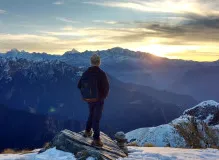
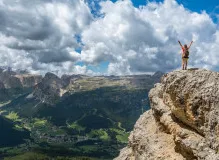
Trekking in mountainous regions is a popular choice for many outdoor enthusiasts. The rugged and majestic beauty of mountains attracts adventurers seeking breathtaking views and an adrenaline rush. Trekking through mountains involves steep ascents, rocky trails, and high altitudes, which demand physical endurance and mental resilience. As trekkers navigate their way through challenging terrains, they are rewarded with panoramic vistas, glistening snow-capped peaks, and the sense of achievement that comes with conquering a mountain.
Forests
Trekking through lush forests offers a serene and immersive experience in nature. Walking among tall trees, verdant foliage, and wildlife creates a tranquil ambiance, providing a much-needed escape from the demands of daily life. Forest trekking often involves navigating through narrow trails, encountering gentle slopes, and crossing babbling streams. The abundance of flora and fauna adds to the allure, making forest treks a fascinating and educational journey of exploration.
Deserts
Desert trekking is a unique and demanding experience that attracts adventurers seeking solitude and the stark beauty of arid landscapes. Trekking through deserts involves traversing sandy dunes, arid plains, and rugged terrains, requiring careful navigation and preparation. The vast expanse of the desert allows trekkers to disconnect from the bustling world and connect with the stillness and tranquility of nature. The breathtaking sunrises and sunsets, star-filled skies, and the challenge of surviving in a harsh environment make desert trekking an unforgettable adventure.
Coastlines
Trekking along coastlines offers a delightful blend of breathtaking views, refreshing sea breeze, and the calming sounds of crashing waves. Coastal treks often take adventurers along sandy beaches, rocky cliffs, and picturesque coastal paths. The ever-changing tides, stunning seascapes, and occasional encounters with marine life make coastal treks a visual feast for the senses. Whether walking along dramatic cliff edges or exploring hidden coves, coastal trekking provides an opportunity to experience the beauty of nature meeting the sea.
Conclusion
The terrain and environment encountered during treks add a layer of excitement, challenge, and beauty to the overall trekking experience. From majestic mountains to serene forests, arid deserts, and captivating coastlines, each terrain offers its own unique rewards and obstacles. Whether you're seeking adrenaline-inducing climbs, peaceful nature immersion, or the solitude of the desert, there's a trekking adventure out there waiting for you. So lace up your boots, embrace the diverse terrains, and embark on a trekking journey of a lifetime.
Content You May Be Interested In
 Productivity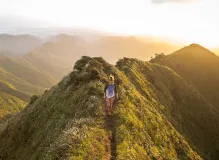
 Productivity